iOS and Swift Blog



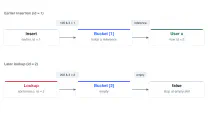

Swift Set: When contains(...) => true Misleads You and Hides a Broken Collection
One changed ID can leave two equal objects in a Swift Set while contains still succeeds. Follow the broken index, investigate hash seeds, and choose stable identity.

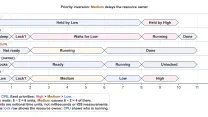

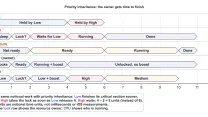

Priority Inversion in Swift: Why DispatchSemaphore Is a Poor Lock
How a medium-priority thread delays a high-priority one through a lock held by a low-priority thread, what happened on Mars Pathfinder, and how to choose between DispatchSemaphore, Mutex, and actor in Swift 6.

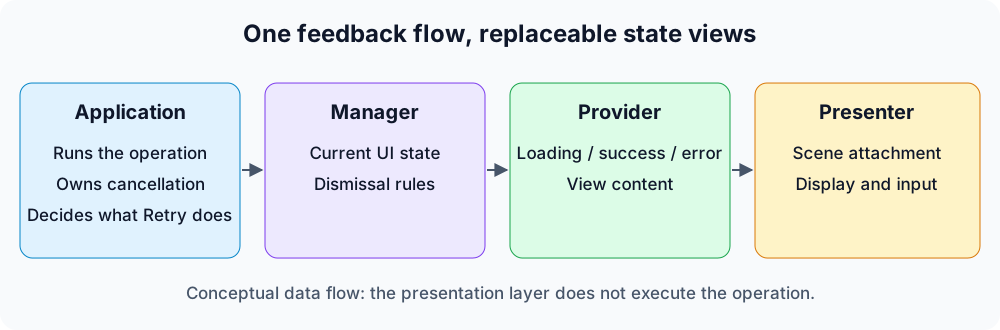


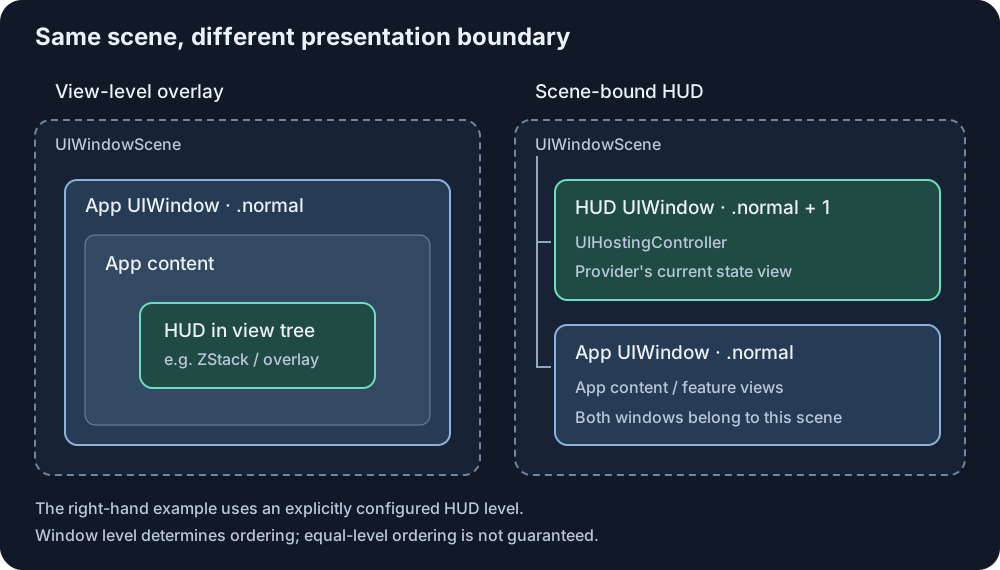
Stop Rebuilding Loading, Success, and Error UI in Every iOS App
Configurable defaults, replaceable state views, and a shared presentation layer for SwiftUI and UIKit.


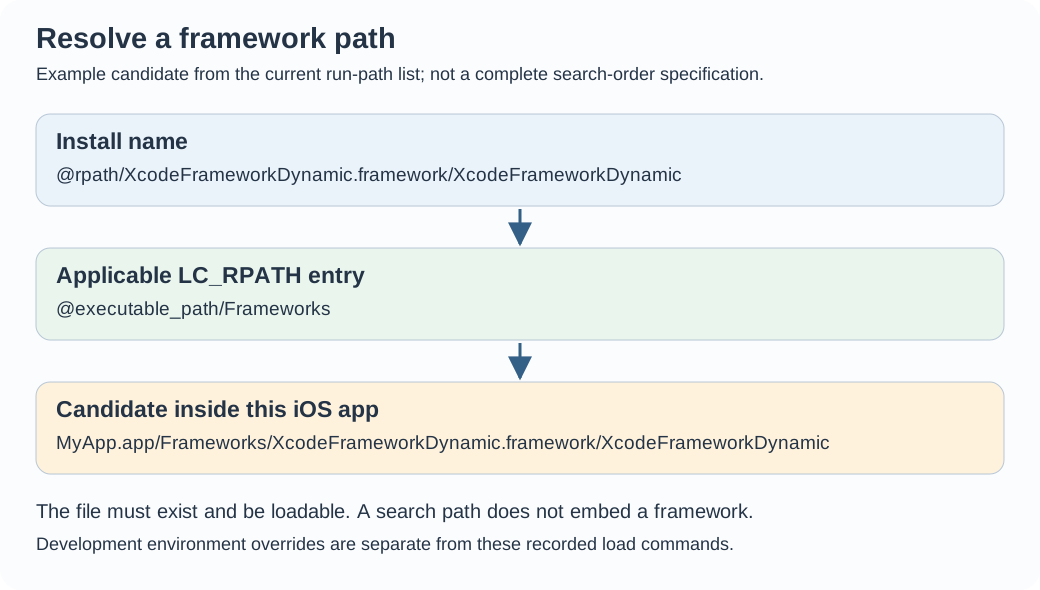

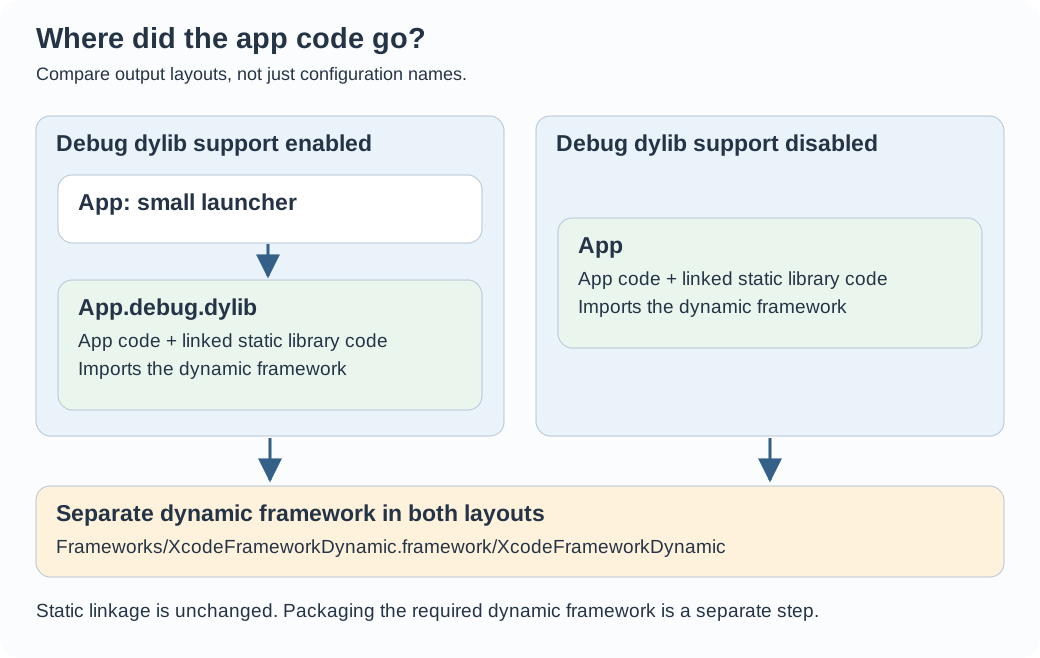
Static vs Dynamic Framework Dispatching (Part 3 of 3): Debug, Release, @rpath, and the debug dylib
Diagnose frameworks that load from Xcode but fail in a standalone app. Separate runtime search paths, framework embedding, and Xcode's debug dylib layout.

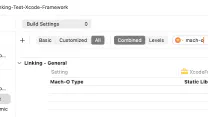
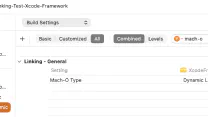

Static vs Dynamic Framework Dispatching (Part 2 of 3): SPM vs Xcode frameworks
Inspect static and dynamic libraries built with Swift Package Manager and Xcode. Follow symbols, dependencies, call sites, and fixups in real Mach-O binaries.

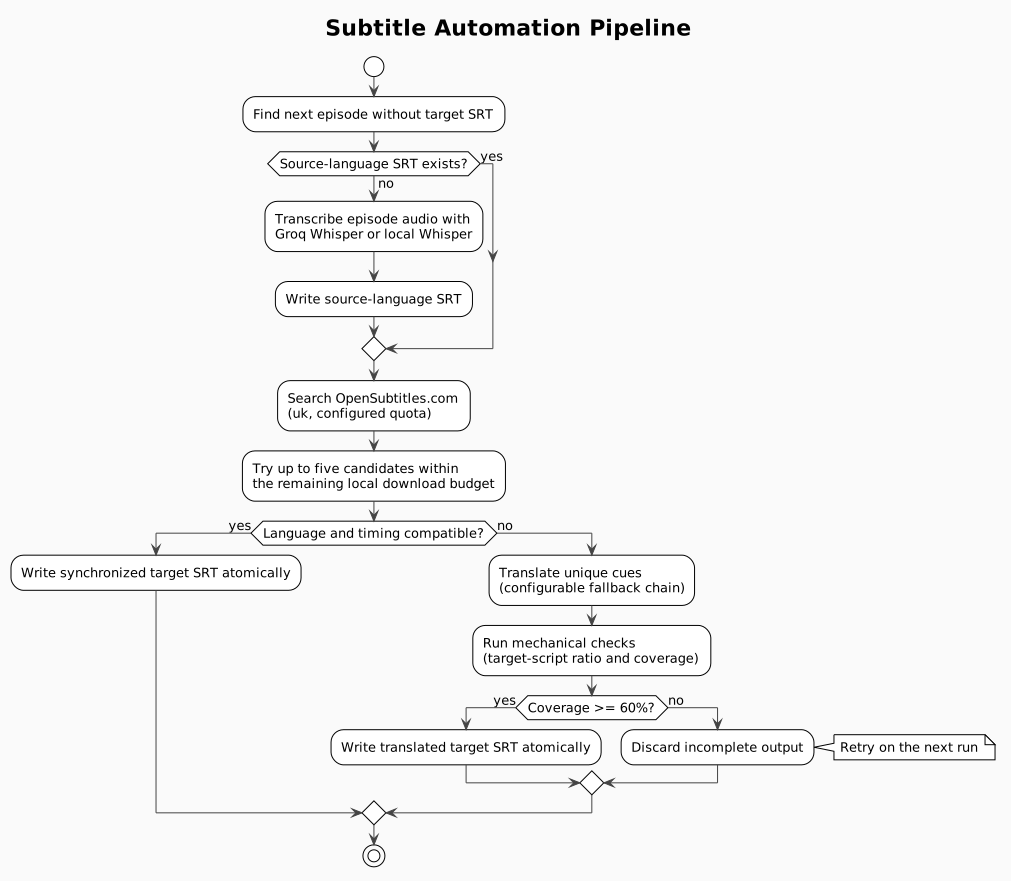
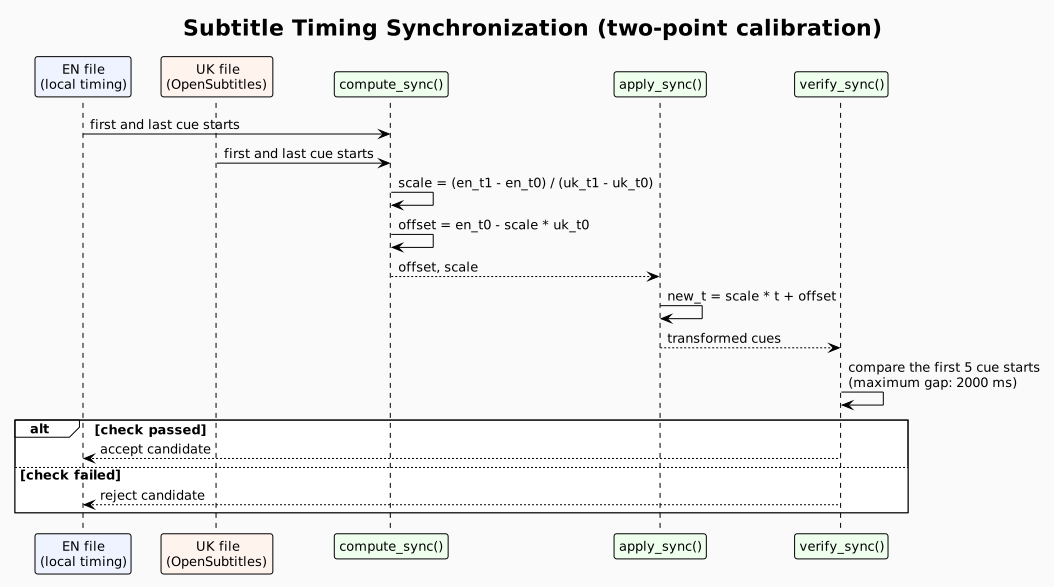

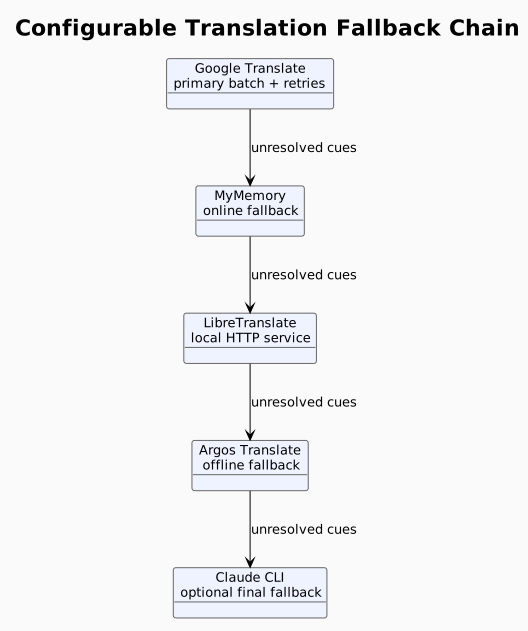
How I Built a Subtitle Pipeline for 106 TV Episodes with Whisper, Groq, and Python
How I built a Python subtitle pipeline that uses Whisper and Groq for transcription, reuses existing subtitles when possible, and falls back across five translation services when it cannot.
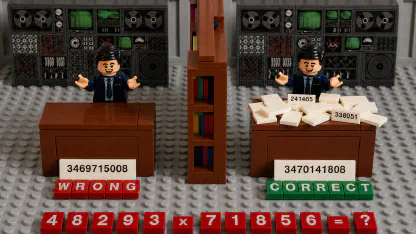




Does Claude Haiku 4.5 Actually Think? Measuring Extended Thinking From the Terminal
A reply in a comment thread said Haiku has no thinking mode, and that this is why it is faster than Sonnet and Opus. So I went and measured it. A reproducible terminal experiment that needs no API key: thinking token counts, a multiplication task with a deterministic answer, why a language model fails arithmetic that a $2 calculator gets right, and an uncomfortable surprise about tool use, where the model reported running a bash command that was never allowed to run.
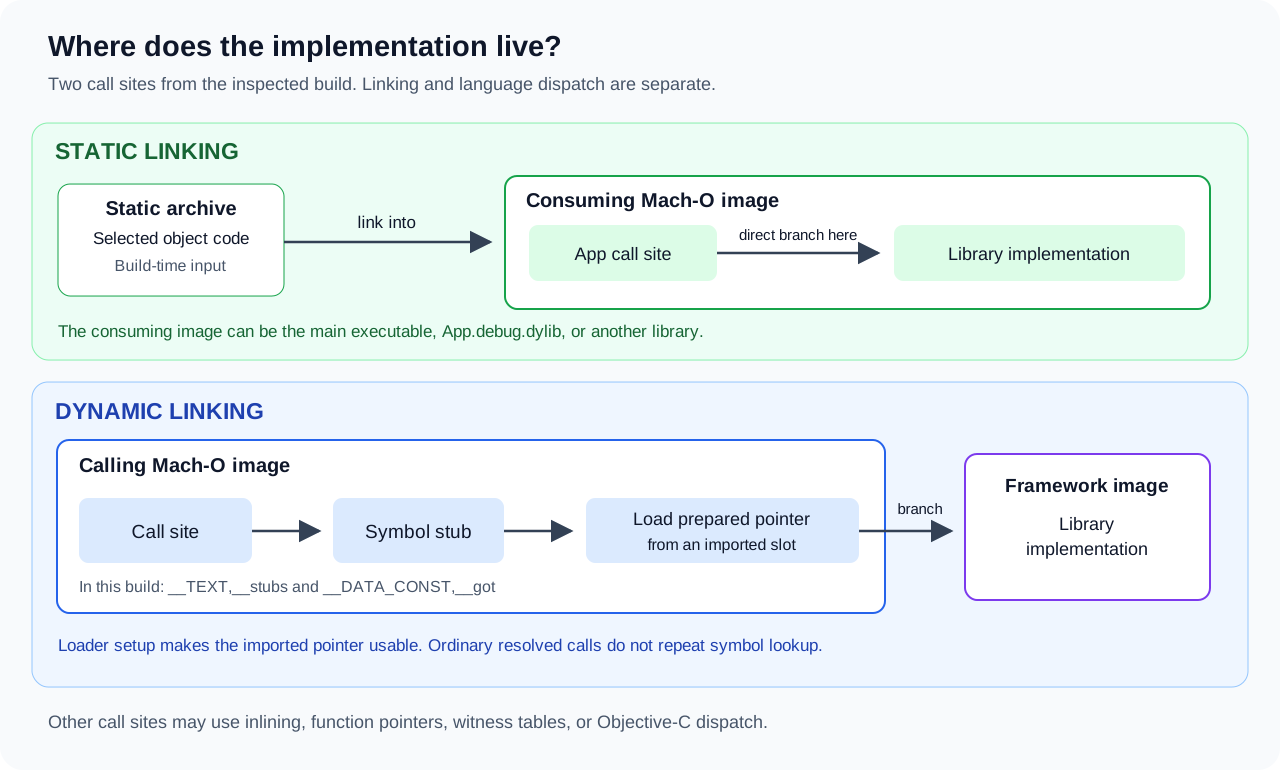
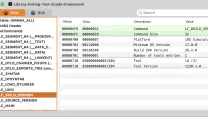


Static vs Dynamic Framework Dispatching (Part 1 of 3): Dispatching Under the Hood
Follow a Swift call through Mach-O symbols, linker stubs, and imported pointers. Separate static linking, classic lazy binding, and chained fixups using real binary evidence.
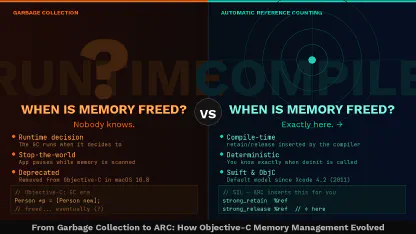
From Garbage Collection to ARC: How Objective-C Memory Management Evolved and Why ARC Is Not a Garbage Collector
Before ARC became the default, Apple experimented with Garbage Collection in Objective-C on macOS. In this article, I explore why GC was abandoned, how ARC combines compiler analysis with runtime reference counting, and how it builds on manual reference counting. Using Swift, SIL, and compiler output, I trace retain/release insertion step by step and debunk common myths about ARC and Garbage Collection.
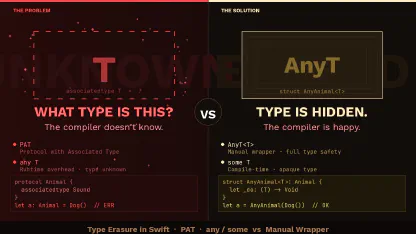
Type Erasure in Swift – Simplify using Protocols with Associated Types; any&some vs manual(custom) approaches
Master Swift type erasure: explore any, some, and custom wrappers to simplify protocols with associated types. Learn pros, cons, and practical tips to write flexible, type-safe, and maintainable code without hitting common pitfalls.
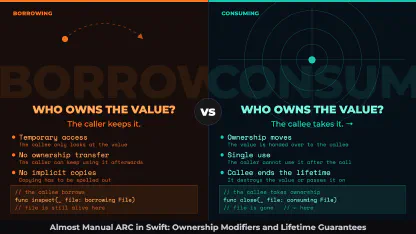
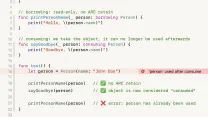
Almost Manual ARC in Swift. Ownership Modifiers and Lifetime Guarantees
Curious about Swift’s memory ownership model? Learn how borrowing and consuming let you control how values are borrowed or transferred. Even without experimental flags, Swift already gives us tools like withExtendedLifetime to keep objects alive during critical operations. This article walks through examples, explains when and why these features matter, and links to a downloadable Swift Package so you can explore it all in a live playground.


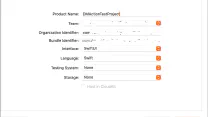

How to Seamlessly Use Swift Package Manager (SPM) and CocoaPods (POD) Together with the Same SDK
Swift Package Manager 🆚 CocoaPods: Can’t Decide? Why choose when you can have BOTH? 🤔 Learn how to seamlessly test and use SPM and CocoaPods together in the same SDK—without the headache. ☕️
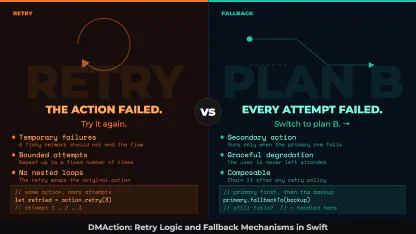
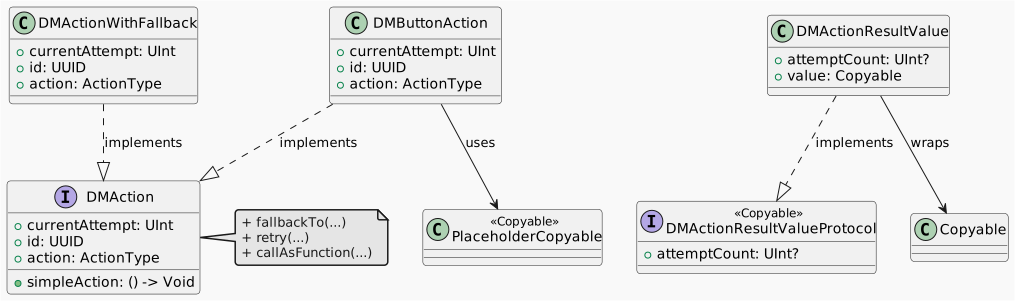
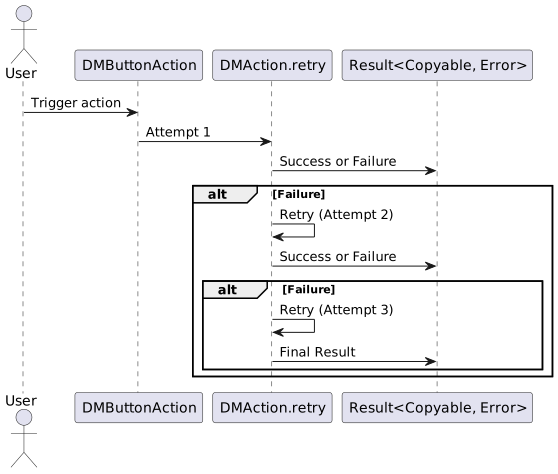
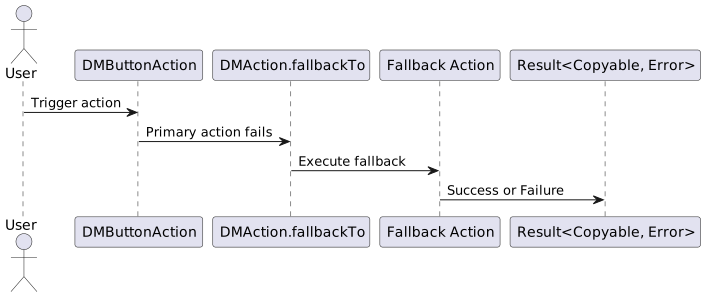
The Challenges of Retry Logic and Fallback Mechanisms in App Development
How to compose Swift actions, bound retries, add fallback behavior and handle results, with networking and UI examples.